
Guest speaker
Reactorfield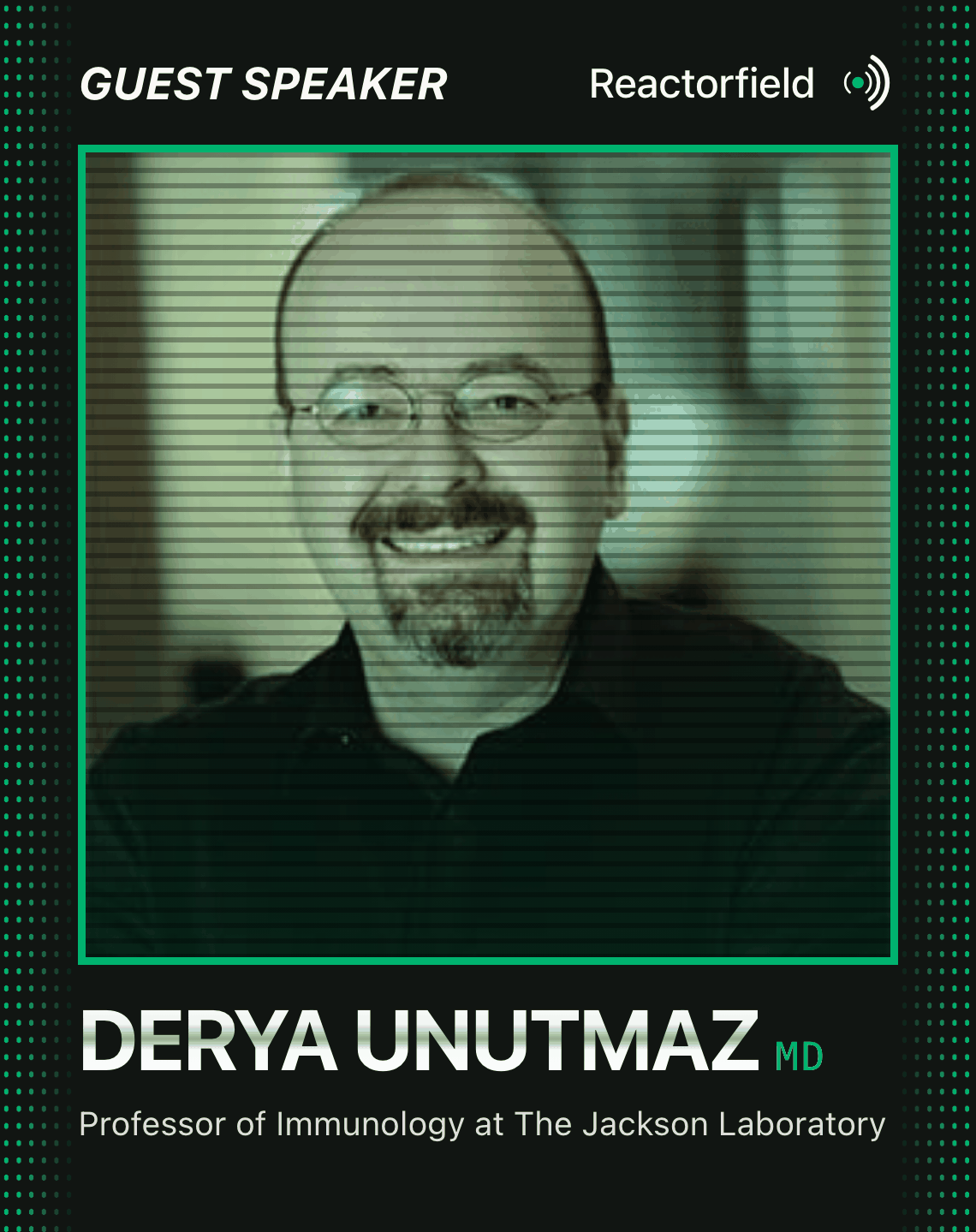
Derya Unutmaz MD
Professor of Immunology at The Jackson Laboratory
1 Reactorfield is a four-week program that accelerates R&D by embedding agents into scientific workflows.
2 Do less grunt work. Do more science. Delegate the reading, coding, and first-pass analysis to agents the way a PI delegates to grad students. Save your own hours for what counts: judgment, taste, and choosing the next experiment.







Learn what frontier models can do, adopt the AI-native mindset, and build AI into your own research workflows.
Sessions that show you what to automate.
Operators and researchers from frontier AI labs and science-AI companies share the workflows they actually use and ship.
1:1 sessions to guide you from choosing what to automate to unblocking broken agent loops.
A stack and support to make it run in your lab.
An owned set of skills, hooks, loops, and prompts configured for scientific work. Yours to keep, extend, and adapt to your research.
Deals, credits, and priority support from our science-AI partners, the same tools you'll use in your builds.
A weekly cadence that keeps momentum real.
Set a goal each week, then present what changed: “I automated this.” Leave with a concrete next build, not a vague intention.
Fellows present what they automated, so an idea from one lab becomes leverage for another.
Selected teams get hands-on AI deployment support in their own lab. A forward deployed engineer will come to your lab to wire AI directly into your workflows.
Shown as a reference. Cohort 2 dates and full program details will be announced soon.
Scoping and planning automations for your scientific workflow
Your first skill to automate a scientific workflow
Your first ‘research brain’ and context automation
Your first scientific workflow loop (self-improving)
Graduation events in San Francisco and Boston
Your scientific velocity and capacity have expanded
Guest speaker
Reactorfield
Professor of Immunology at The Jackson Laboratory
Guest speaker
Reactorfield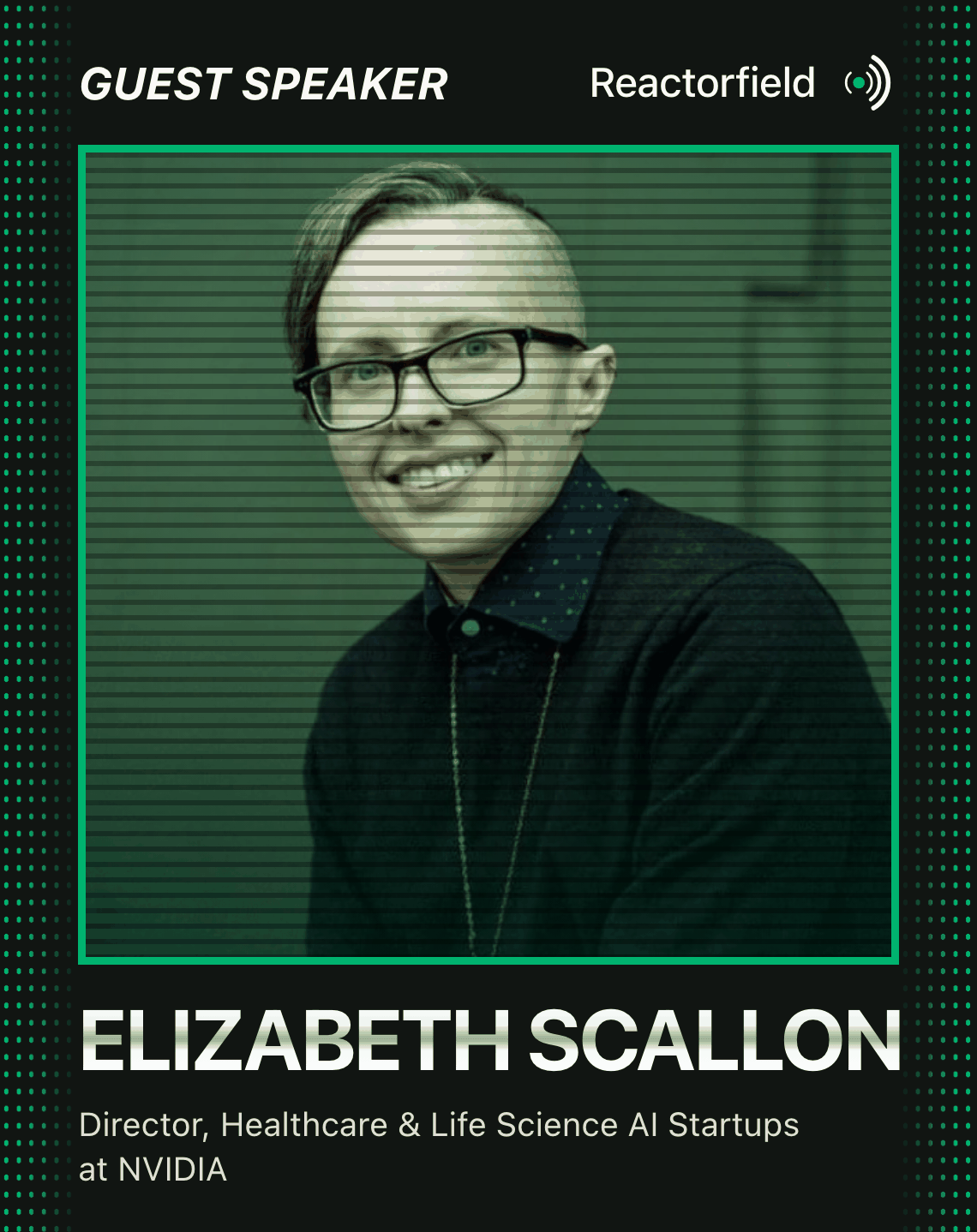
Director, Healthcare & Life Science AI Startups at NVIDIA
Guest speaker
Reactorfield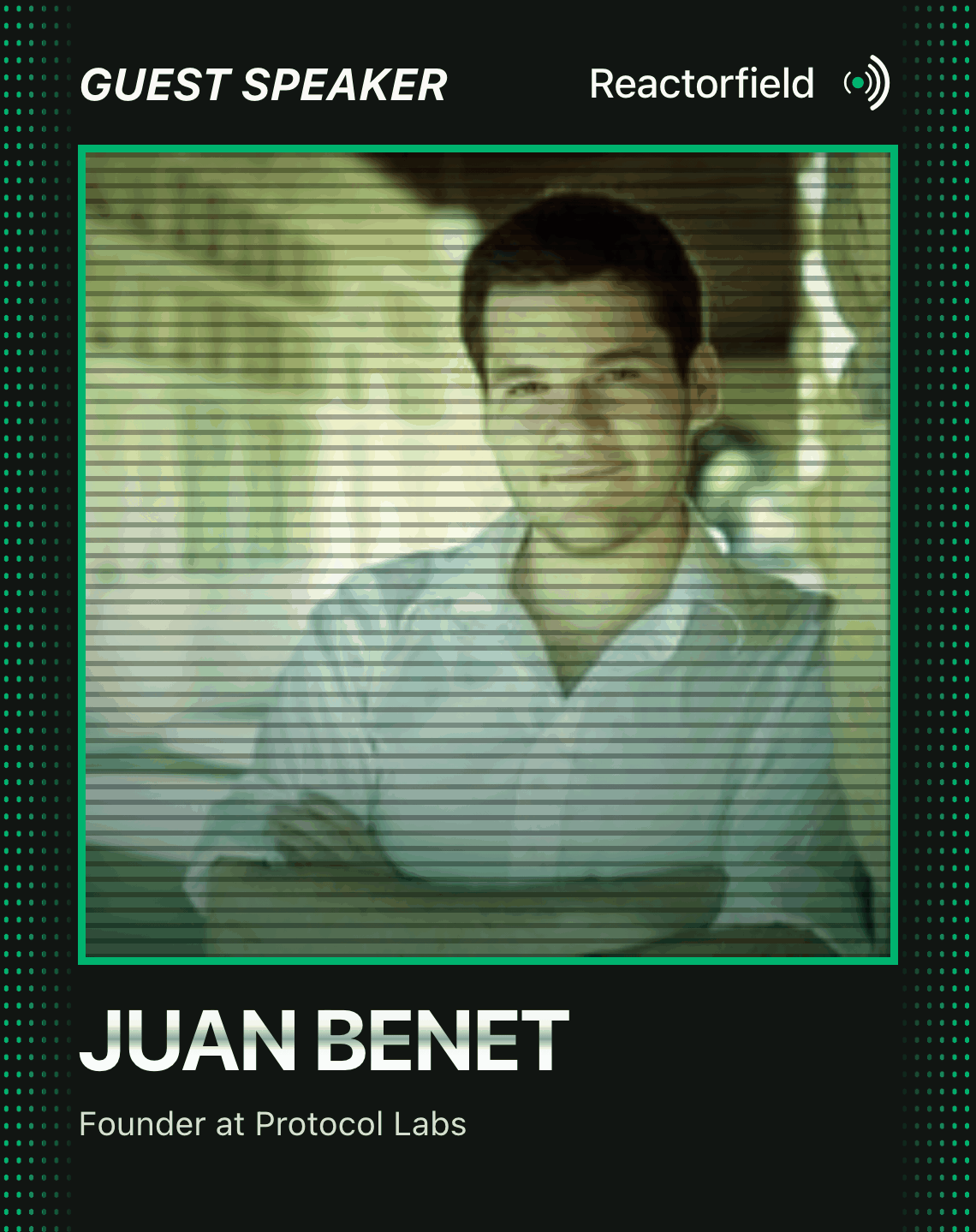
Founder at Protocol Labs
Guest speaker
Reactorfield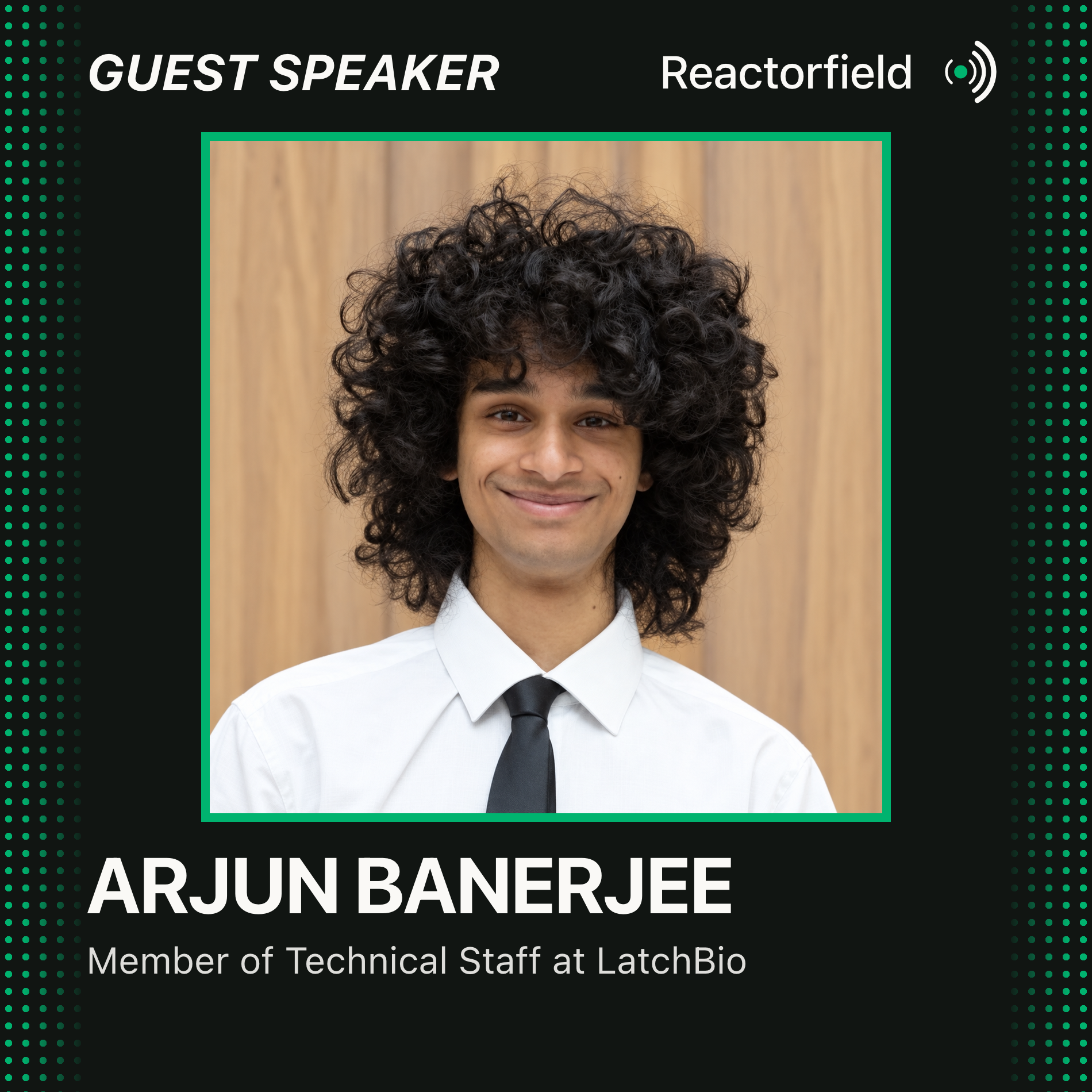
Member of Technical Staff at LatchBio
Guest speaker
Reactorfield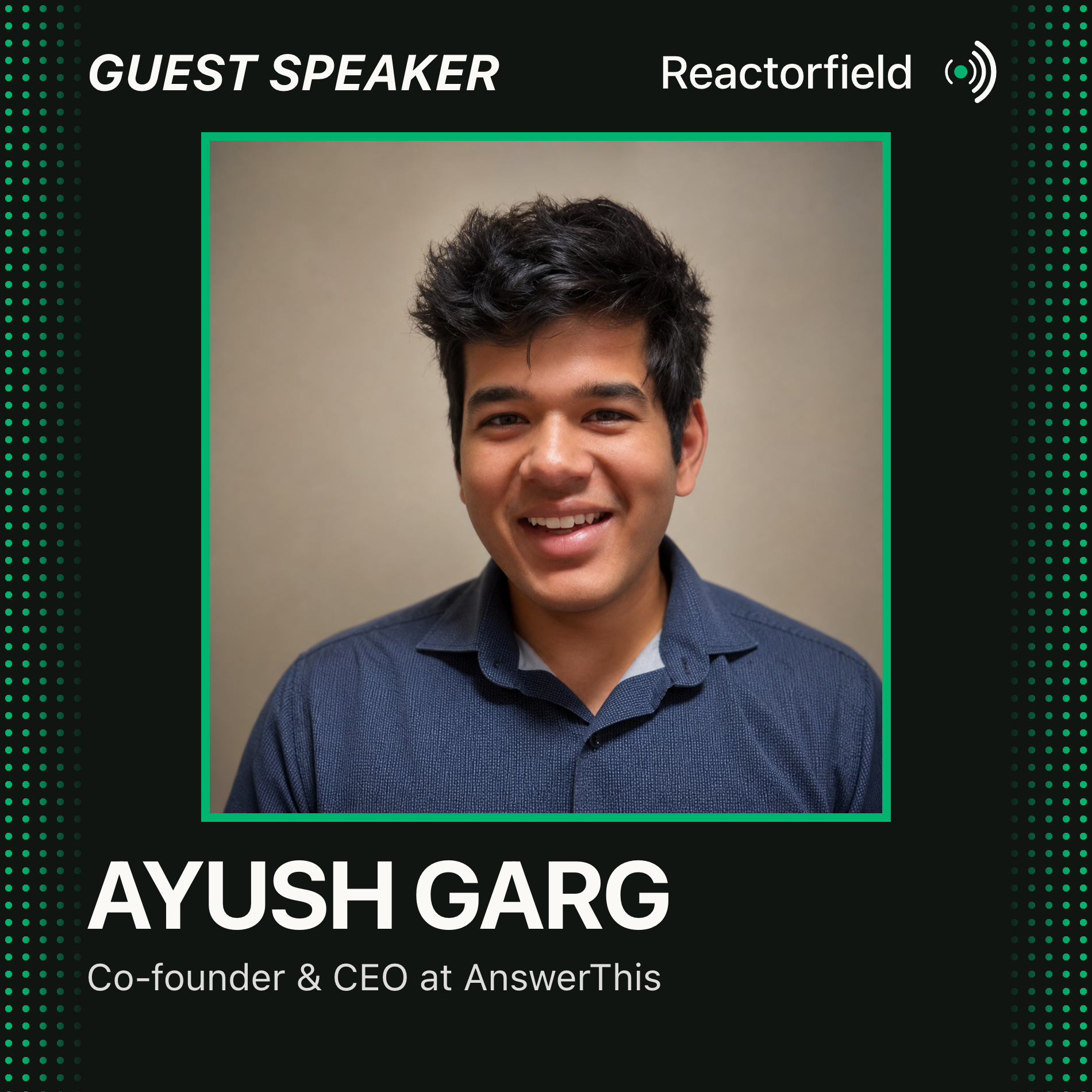
Co-founder & CEO at AnswerThis
Guest speaker
Reactorfield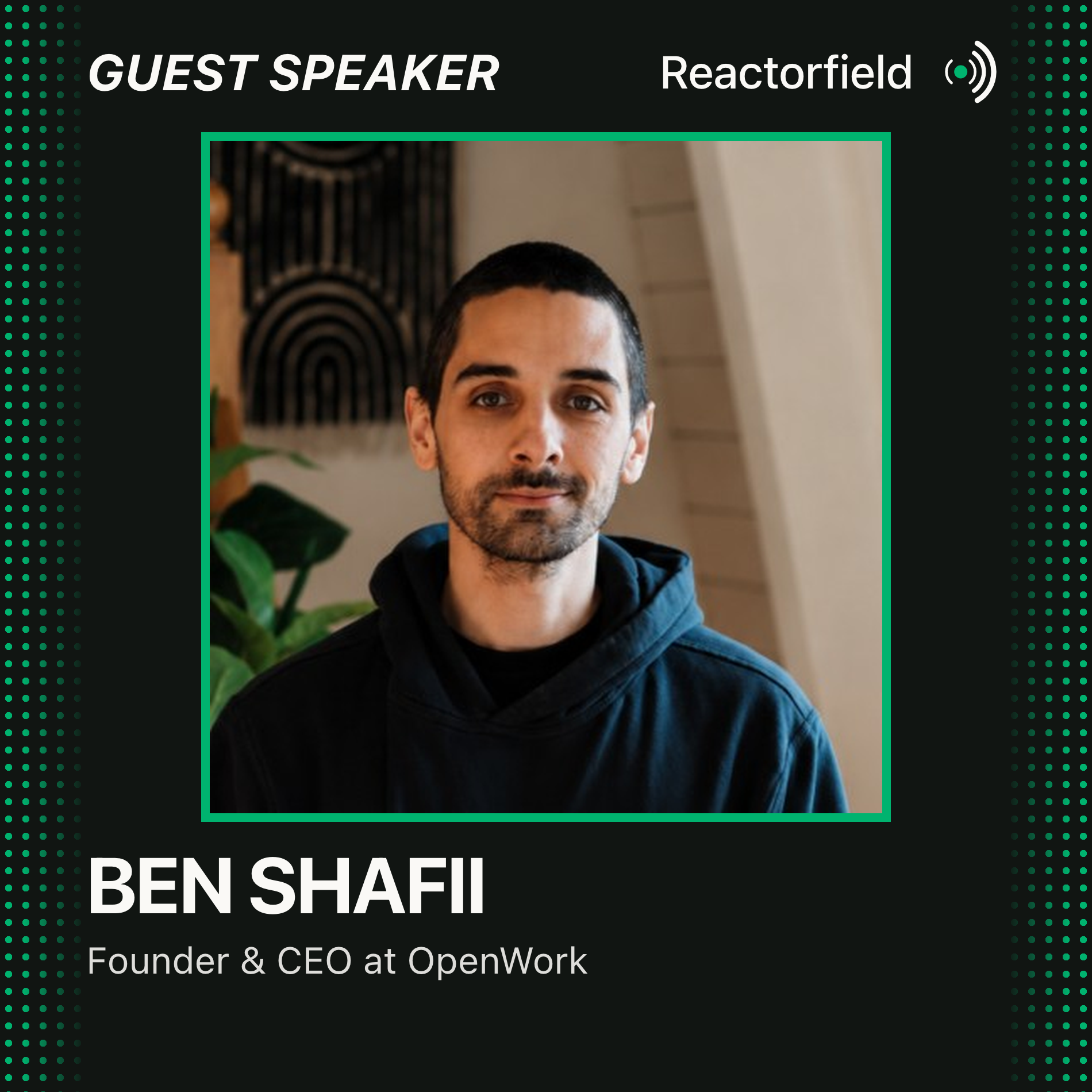
Founder & CEO at OpenWork
Guest speaker
Reactorfield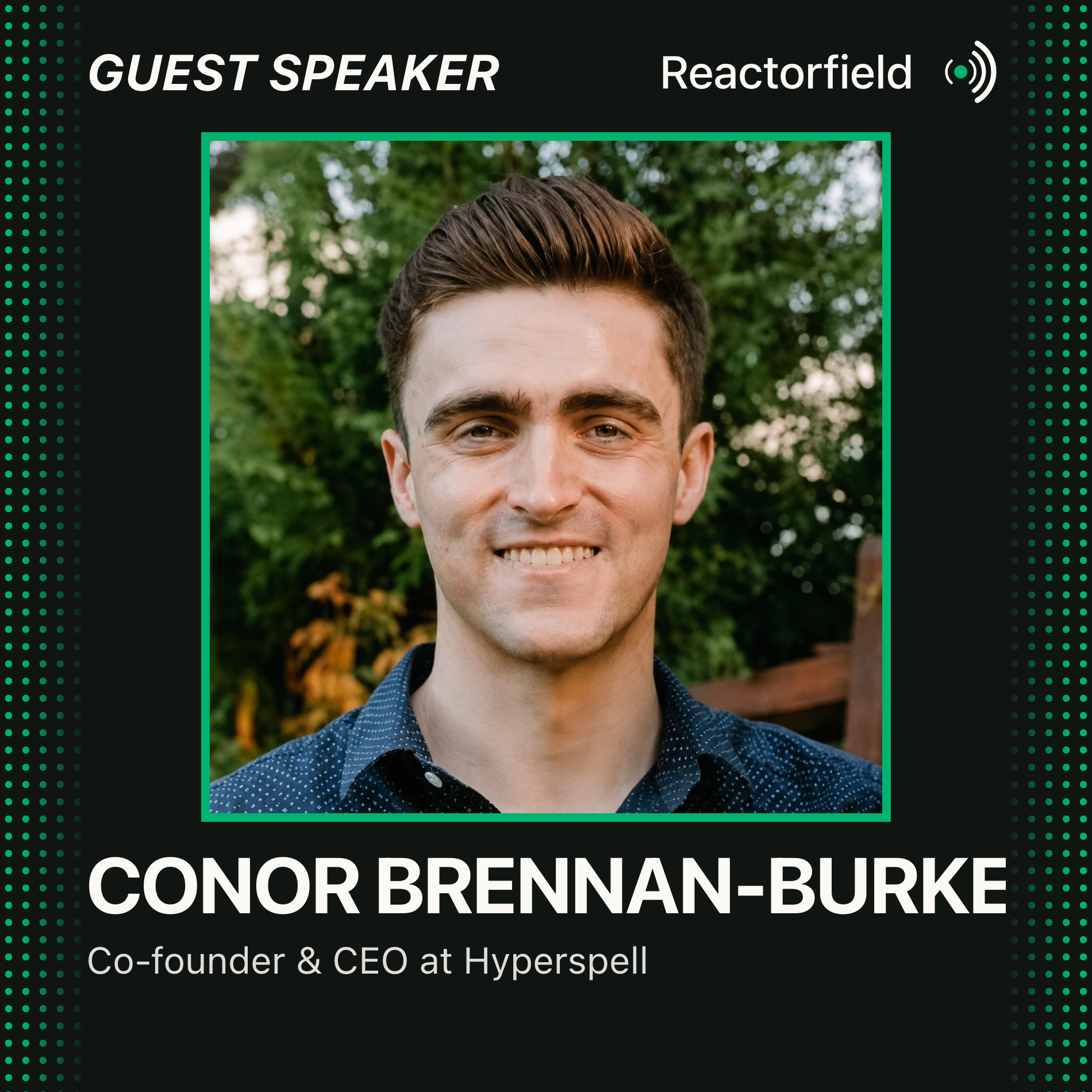
Co-founder & CEO at Hyperspell
Guest speaker
Reactorfield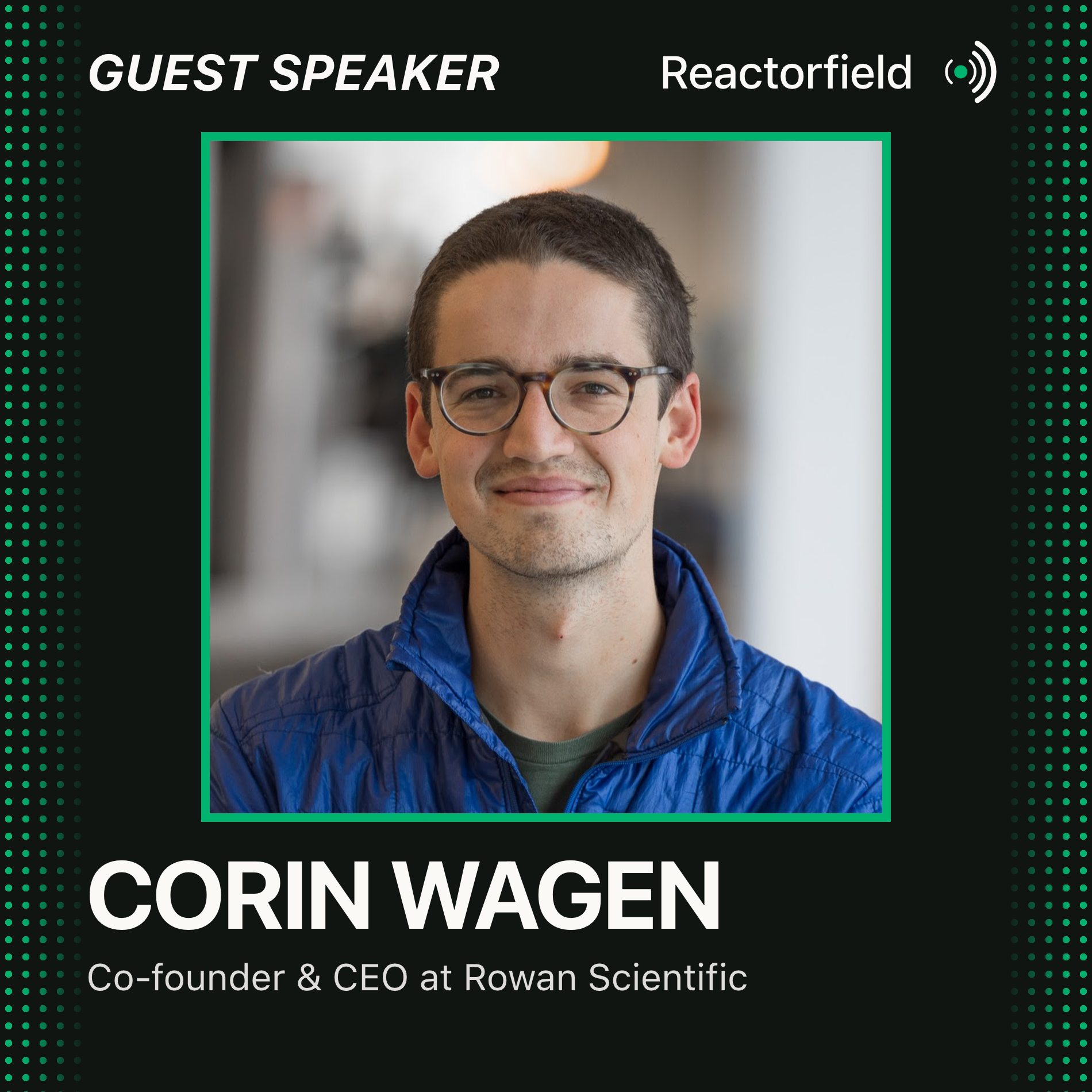
Co-founder & CEO at Rowan Scientific
Guest speaker
Reactorfield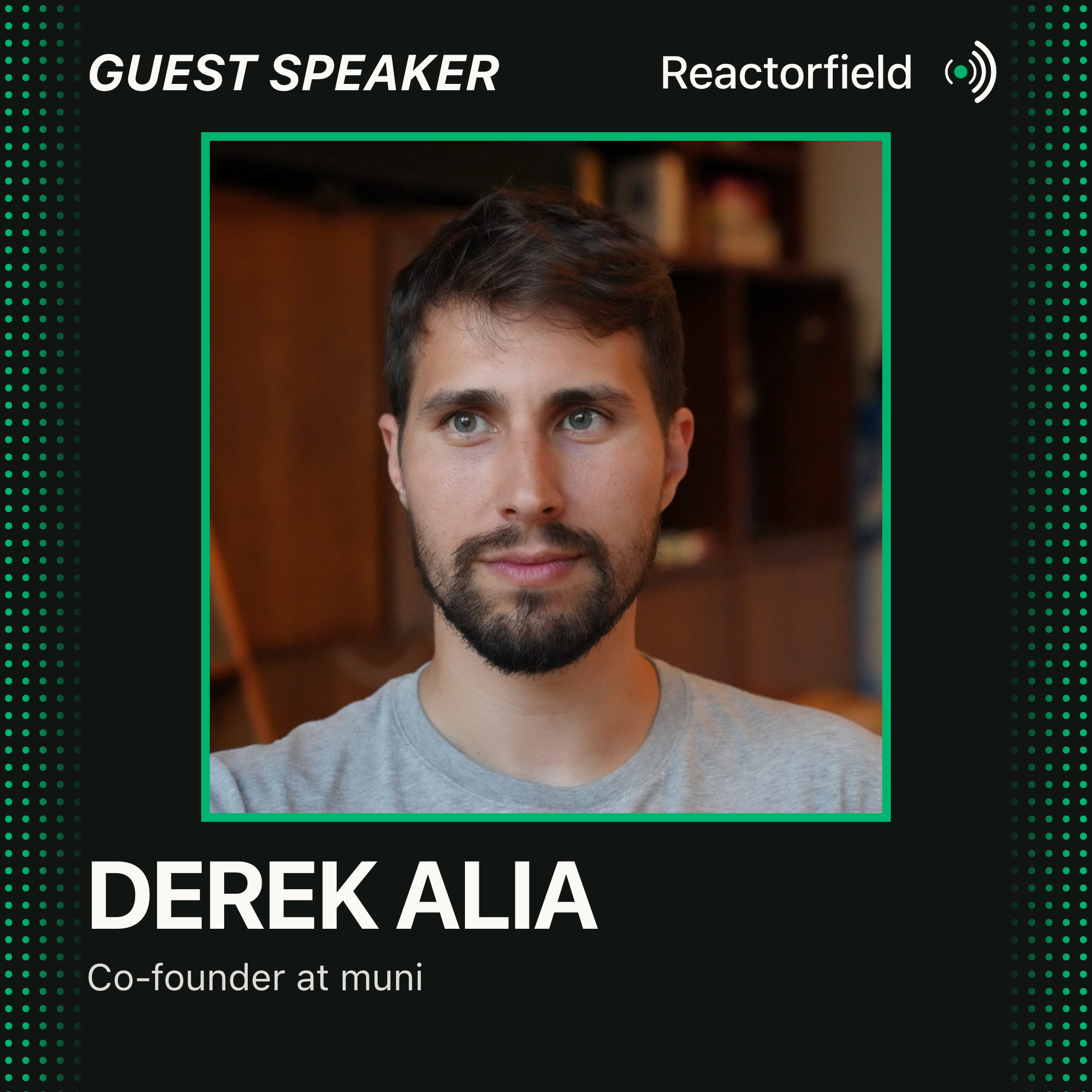
Co-founder at muni
Guest speaker
Reactorfield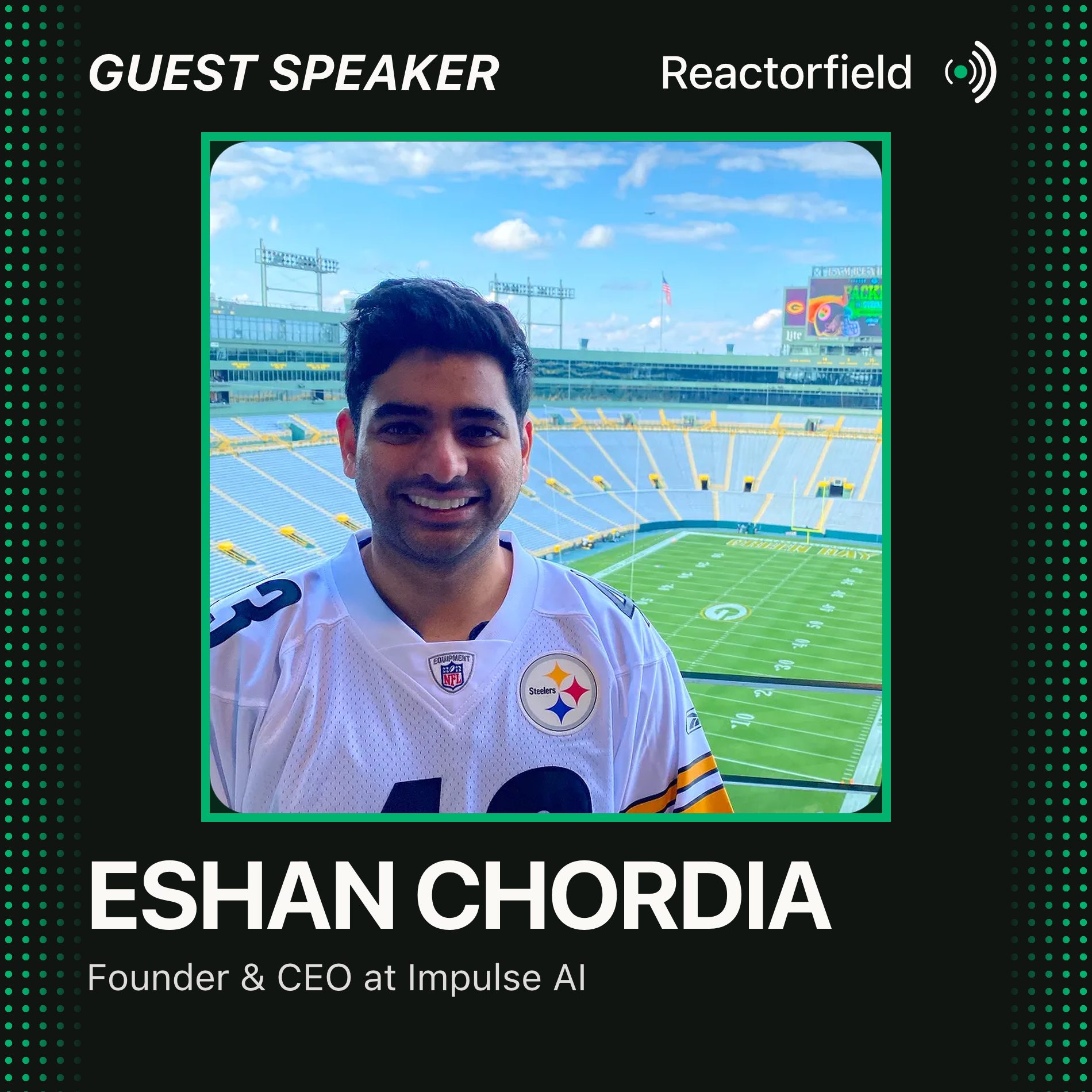
Founder & CEO at Impulse AI
Guest speaker
Reactorfield
Co-founder at muni
Guest speaker
Reactorfield
Yukon
Guest speaker
Reactorfield
Yukon
Guest speaker
Reactorfield
Founder at Tuva AI
You're building at the frontier of hard science.
The roadmap needs thirty people; you have three and a runway.
AI lets your three-person team research, prototype, and ship like thirty.
You run a lab, finish a PhD, or grind through a postdoc.
Publishing, collaborating, mentoring, and permanently behind on the literature.
AI compresses months of reading into days and hands busywork to agents.
You do science where it meets product: biotech, pharma, materials, climate.
Every experiment competes with deadlines, messy data, and impatient stakeholders.
AI takes you from experiment to defensible insight in days.
 Alga Biosciences Alga Biosciences reduces cattle methane emissions by 97% with its feed additive made from algae, one of the most scalable resources on the planet.
 Episteme Episteme is a new type of R&D organization that recruits exceptional researchers across disciplines to pursue important translational science for humanity beyond the reach of traditional institutions.
 Foundation Industries Foundation Industries is the domestic manufacturing partner for frontier hardware companies building the future.
 Harvard University Harvard University is represented by Kathy Liu, a PhD student in Materials Science & Mechanical Engineering at the Harvard John A. Paulson School of Engineering and Applied Sciences.
 Kopra Bio Kopra Bio develops cancer immunotherapy that turns cancer cells into biofactories minting their own destruction.
 Lume Health Lume Health helps people balance cortisol and circadian rhythms with hormone-monitoring wearables for better sleep, stress resilience & daily energy.
 Marathon Fusion Marathon Fusion develops isotopes for the new golden age of nuclear technology.
 Mass Magnetics Mass Magnetics makes secure, high-performance magnets in America through rapid sintering from recycled feedstocks.
 Mayo Clinic Mayo Clinic Business Development's executive leadership team works to produce meaningful, effective changes in transforming health and medicine.
 Merge Labs Merge Labs is a research lab with the long-term mission of bridging biological and artificial intelligence to maximize human ability, agency, and experience.
 Northwell Health Northwell Health is New York's largest healthcare provider, serving NYC, Long Island and Westchester with compassionate care through research and innovation.
 Radify Metals Radify Metals exists to make metal modern through clean, scalable metalmaking built for resilient supply chains.
 Retro Biosciences Retro Biosciences develops therapies that target aging biology to extend healthy human lifespan by 10 years.
 Strand Therapeutics Strand Therapeutics is a clinical-stage biotech developing breakthrough mRNA therapeutics with targeted delivery systems for solid tumors, autoimmune diseases, and blood cancers.
 Xilio Therapeutics Xilio Therapeutics is committed to transforming cancer treatment by unleashing the full power of highly potent immunotherapies precisely in tumors.
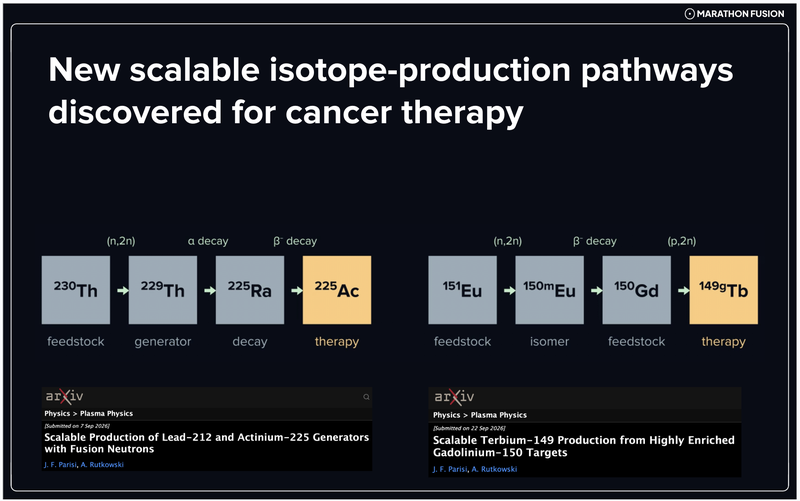 Marathon Fusion Develops AlphaFold for Nuclear Physics, then Publishes Two Preprints on Production Routes for Cancer-Therapy Isotopes
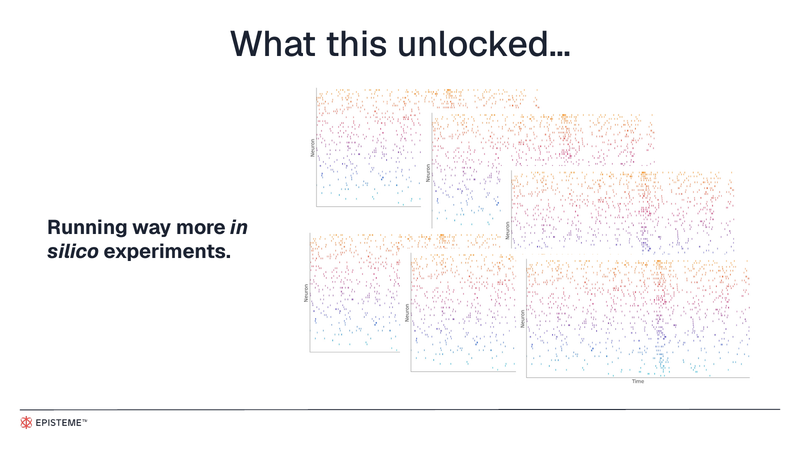 Episteme’s Zachary Miller Scaled to Hundreds of Neural Simulations.
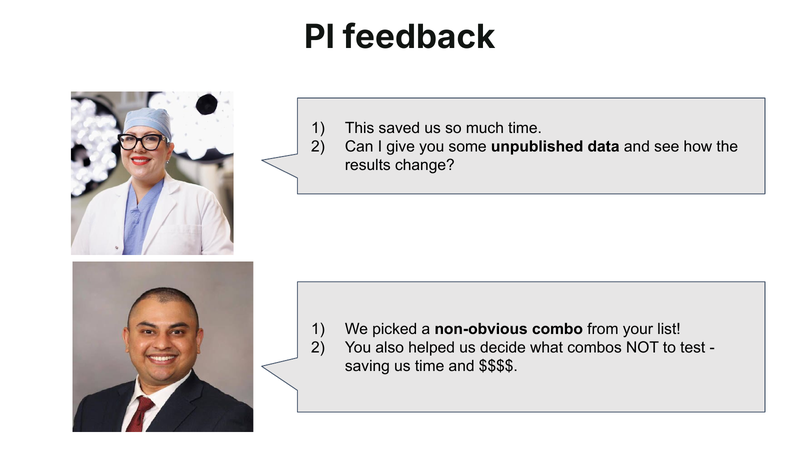 Vera Mucaj’s mRNA Explorer Led to Over $100,000 invested in Mayo Clinic Lung Transplantation Experiments
For centuries, scientific progress has been bound by the limits of human bandwidth, how many papers one person can read, how many hypotheses one mind can hold, how many experiments one team can run.
AI doesn't remove those limits. It multiplies the scientist behind them.
We built Reactorfield because we believe that the next generation of scientific breakthroughs won't just come from better models or bigger datasets. They'll come from researchers who know exactly how to put these tools to work, who treat AI not as a novelty, but as an indispensable member of their team.
This is a training ground for that scientist. For you.
Accepting early applications for Cohort 2
Dates and full program details will be announced soon
Scientists, engineers, and researchers across domains: academic, industry, or builders. Teams are encouraged to apply together: the program is for the people doing the work, not only the person with the title.
It is a sprint, and it is meant to feel like one. Plan for live sessions plus serious build time on your own research every week for four weeks. Fellows who protect the hours get a transformed workflow; there is no passive version of this.
Hybrid. Live sessions run online throughout the program, with in-person components for the cohort. Field deployments, for selected teams, happen on-site in your lab.
No. Reactorfield is non-dilutive and supported as a public-good initiative to accelerate science.
No. You keep all your IP. We don't train on your data, it's all yours.
No. You need depth in your own science and a willingness to rebuild how you work. We close the gap between what frontier models can do and how you use them. That is the whole point of the program.
A working, AI-native version of your own research workflow, running on your questions and your data, plus the judgment to keep it current as the tools change, and a cohort of peers across deep tech who share what works.
We review every submission and follow up with short interviews for the strongest builders, usually one or two calls before a fast decision. We select for scientific depth, willingness to adapt AI-native mindset, and urgency to implement AI workflows that accelerate your science.
Reactorfield is like magnetic field and gravitational field. A field that accelerates and transforms what interacts with it. We engineered Reactorfield as a space that catalyzes reactions and triggers inflections. We tip our hat to physics; the laws of the universe are our only true bounds. (and also because we're nerds)
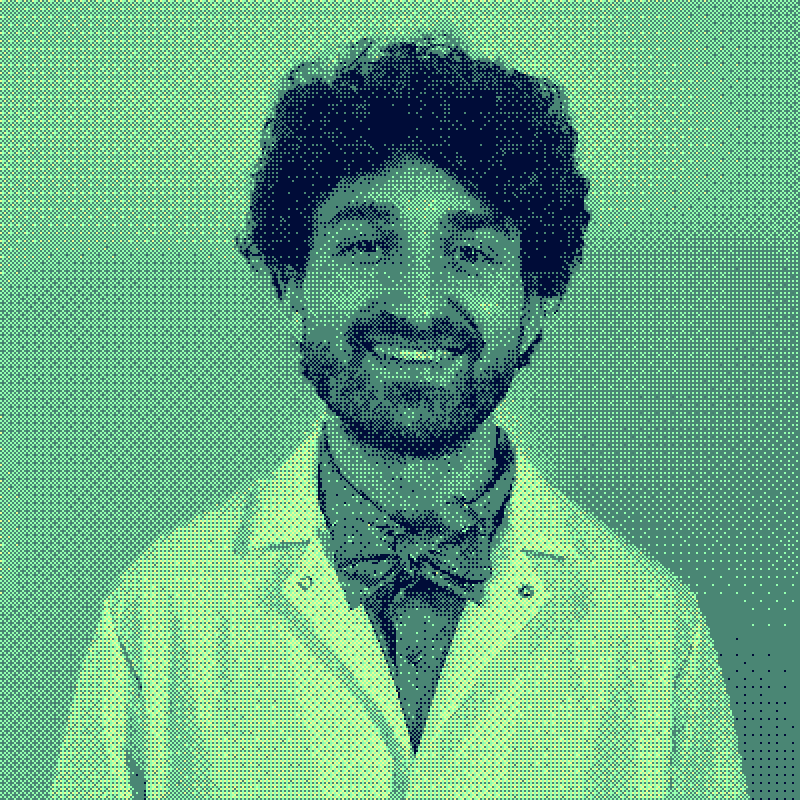
Unicorn founder, YC W19, trained chemist. Previously built a deep-tech fellowship supported by founders of Varda, Astranis, and Solugen, that attracted talent from OpenAI, DeepMind, and SpaceX.
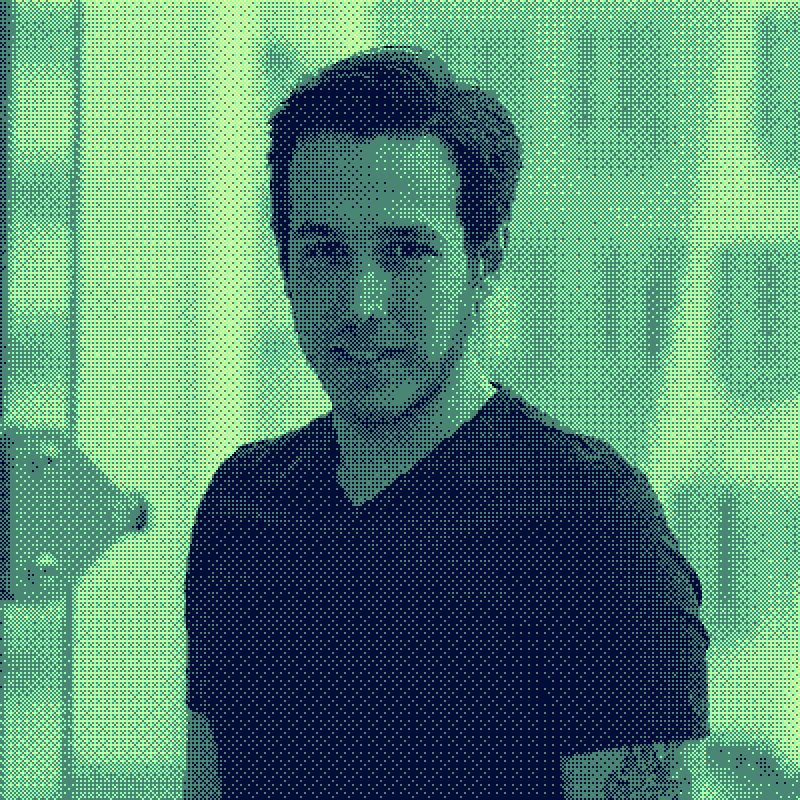
2x founder (YC S21) who shipped AI agents used by millions even before ChatGPT existed, then ran a VC/accelerator, investing in 150+ startups and helping them raise $100M+ in follow-on funding.